1.Monolithic Architecture
All components exist in one single application. Example structure:
Application
 ├── Authentication
 ├── Orders
 ├── Payments
 ├── Database
Used by
- Many startups initially
- Early versions of Amazon and Facebook
Pros
✔ Simple to develop
✔ Easy to deploy
Cons
❌ Hard to scale large systems
2. Microservices Architecture
Application split into small independent services.
Example:
API Gateway
   ↓
User Service
Order Service
Payment Service
Notification Service
Used by
- Netflix
- Uber
- Amazon
- Spotify
Benefits
✔ Independent scaling
✔ Independent deployment
3. Event-Driven Architecture
Systems communicate using events instead of direct calls.
Example:
Order Placed
     ↓
Kafka
     ↓
Payment Service
Inventory Service
Notification Service
Used by
- Uber
- Netflix
4. Serverless Architecture
Backend functions run without managing servers.
Example:
User Request
     ↓
API Gateway
     ↓
Lambda Function
     ↓
Database
Used by
- Airbnb
- Netflix
- Many startups
5. Layered Architecture
Application split into layers.
Example:
Presentation Layer
Business Layer
Data Access Layer
Database
Django/FastAPI apps already follow this pattern.
6. Clean Architecture
Core business logic is independent of frameworks.
Structure:
Entities
Use Cases
Interface Adapters
Frameworks
Why it’s powerful
You can switch:
- Django → FastAPI
- PostgreSQL → MongoDB
without affecting business logic.
7. Hexagonal Architecture (Ports & Adapters)
Separates business logic from external systems.
Example:
Domain Logic
     ↓
Ports
     ↓
Adapters
  ├ Database
  ├ REST API
  ├ Message Queue
Very useful for large backend systems.
8. CQRS Architecture
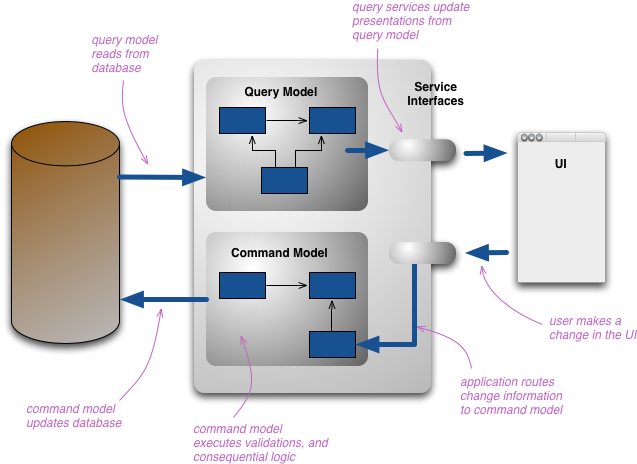
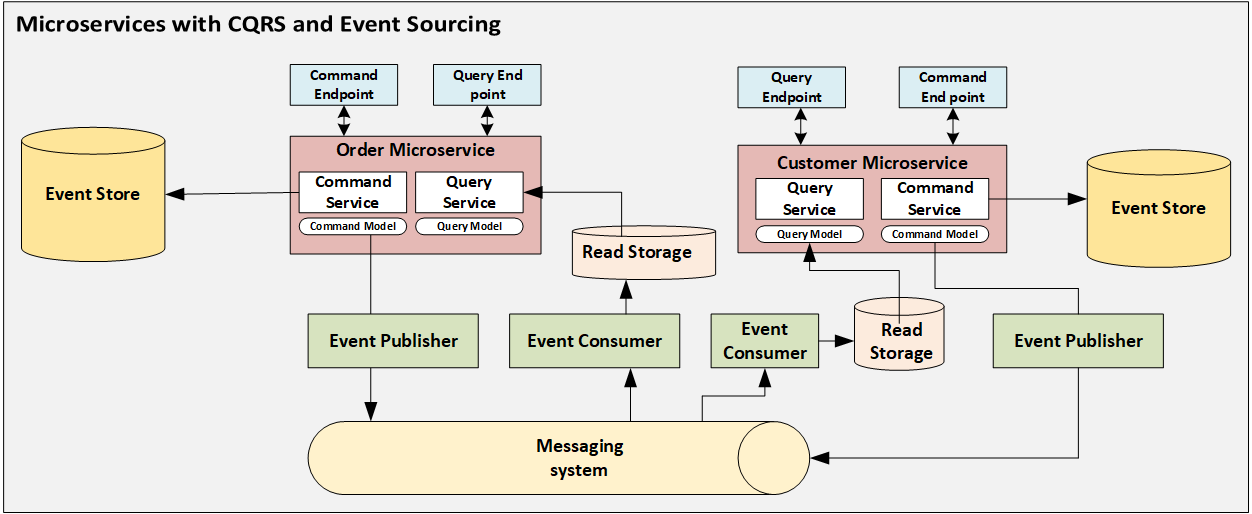
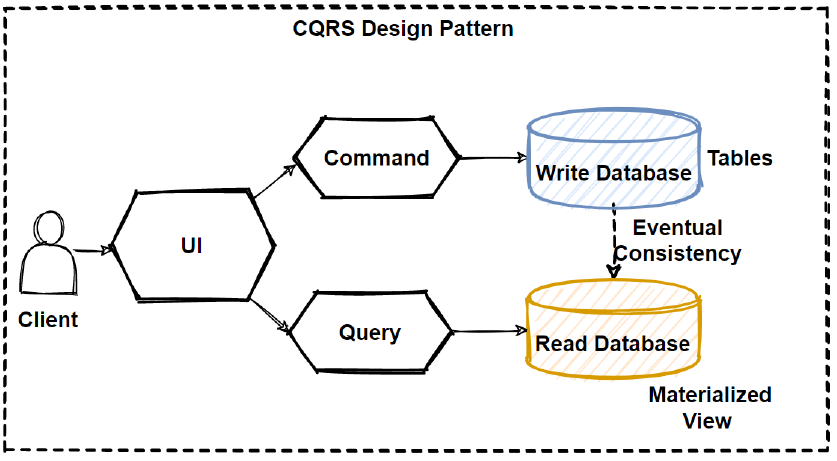
Separates read operations and write operations.
Example:
Command Service → Write DB
Query Service → Read DB
Used by
- Large financial systems
- High scale SaaS systems
9. Event Sourcing
Instead of storing current state, store all events.
Example:
Account Created
Money Deposited
Money Withdrawn
Current state is calculated from events.
Used by
- Banking systems
- Financial ledgers
10. API Gateway Architecture
A single entry point for all services.
Example:
Client
   ↓
API Gateway
   ↓
User Service
Order Service
Payment Service
Used by
- Netflix
- Amazon
- Uber
11. Space-Based Architecture
Designed for very high scalability.
Uses in-memory data grids instead of central database.
Used by
- Financial trading platforms
- Real-time analytics systems
12. Peer-to-Peer Architecture
Every node acts as both client and server.
Used by
- Blockchain
- Torrent systems
- Distributed networks